
Belonging After Exile
The SwarmThe novel links personal displacement, Indigenous cultural trauma, and the broader question of whether different kinds of life can share a world.
increasing Bearing strength in each event
 decreasing
Bearing strength in each eventdecreasingThe Inuit Are Displaced
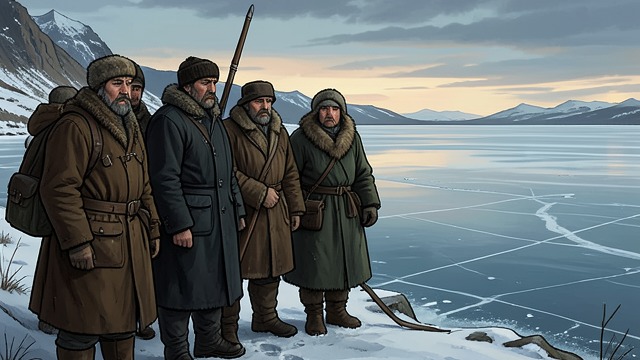
Forced Change
A people uprooted
Akesuk recalls relocation and the destruction of the hunting grounds that sustained Inuit life.
The loss of land also damages family structures and cultural confidence.
Anawak Rejects His Roots
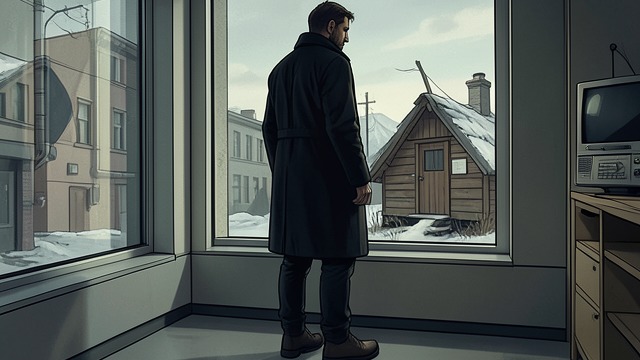
A Chosen Distance
Protection becomes isolation
Anawak leaves home and resists questions about his heritage, hoping distance will free him from family pain.
His refusal also keeps him from a source of belonging.
Akesuk Invites Him Back
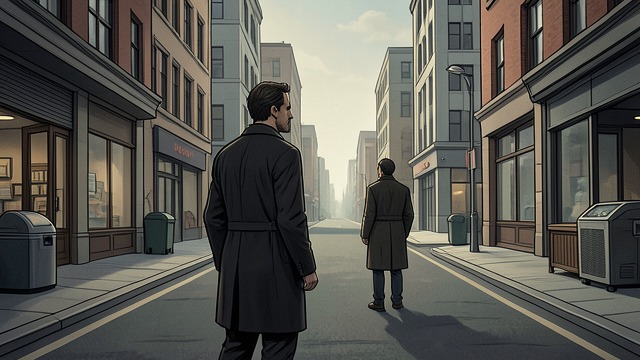
A Different Welcome
No demand for conformity
Akesuk welcomes Anawak without asking him to abandon his modern life or claim a simple identity.
Their connection demonstrates that return can coexist with change.
The Yrr Are Also Neighbors
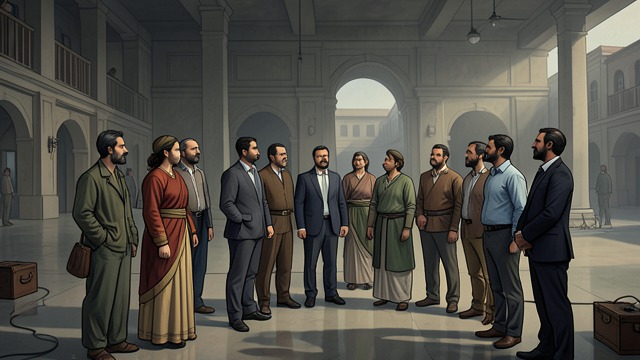
Difference Without Ownership
A rival intelligence shares the planet
The team confronts an intelligence that cannot be fully translated into human categories.
The question shifts from who belongs to Earth toward how coexistence might work.
Belonging as a Shared Task
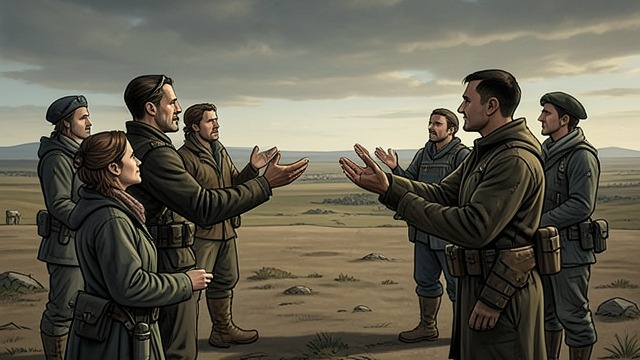
A Wider Community
Survival requires relationship
The survivors question humanity’s assumptions about home, ownership, and who counts as a neighbor.
The book suggests that a stable future depends on making room for unfamiliar life.
in the decades before the main story
from childhood through his adult life
May, during the Arctic journey
August, during the contact debate
in the epilogue
